
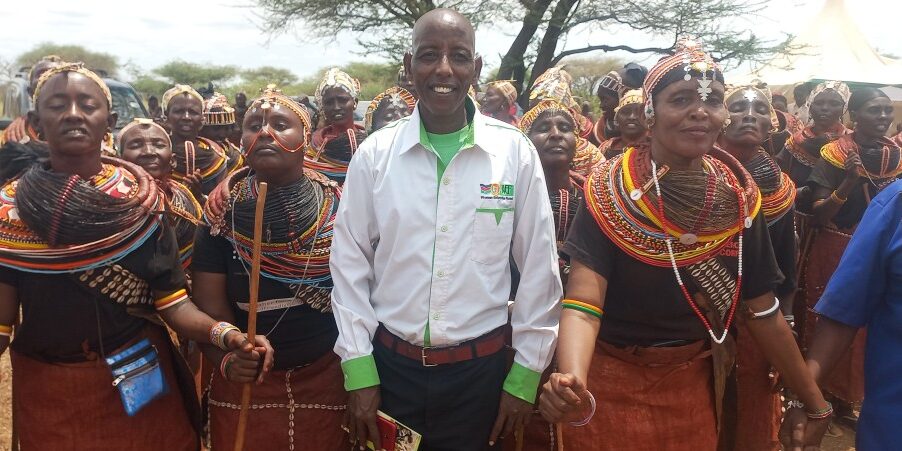
Project at a Glance
- Location: Rendille communities (Marsabit & Samburu counties)
-
Lead Partner: Pastoralist Peoples’ Initiative (PPI) with support from The Christensen Fund
-
Primary Components:
-
Capacity-building activities for 32 grassroots women’s organizations
-
Inclusive community forums and “Conversation Circles” on land registration and cultural budget planning
-
Documentation of indigenous knowledge (herbal practices, seed varieties)
-
Full logistical support for the Rendille Food & Cultural Festival
-
Objectives
-
Strengthen Grassroots Women’s Participation:
Build the capacity of Rendille women’s groups so they can meaningfully engage in decision-making processes particularly around land registration, resource allocation, and cultural programming. -
Preserve Indigenous Knowledge:
Collaborate with elders and traditional knowledge holders to record local herbal and ecological wisdom, ensuring critical information is safeguarded for future generations. -
Celebrate & Generate Income for Women:
Showcase women’s contributions during the festival facilitating cross-cultural exchange, highlighting leadership roles, and creating income-earning opportunities through crafts, food sales, and performances.
Activities
-
Capacity Development Workshops:
-
Needs Assessment: Conducted in March 2024 to identify skill gaps across 32 women’s associations.
-
Tailored Training: Five two-day workshops delivered entirely in the Rendille language, covering:
-
Organizational governance and budgeting
-
Event planning and marketing for cultural products
-
Financial record-keeping and small-business fundamentals
-
-
Peer Learning: Established cohort groups of 8–10 women from neighboring villages to share best practices and co-mentor one another post-training.
-
-
Community Conversations & Forums:
-
Inclusive Dialogue Circles: Hosted in four villages (Loglogo, Kirimon, Gaba, and Umani) to discuss:
-
The importance of women’s representation on community land committees
-
Transparent budgeting for cultural events and resource mobilization
-
-
Local Authority Engagement: Invited Rendille chiefs and county officials to each forum securing commitments to include women on decision-making panels and to allocate modest festival budgets.
-
Safe Spaces: Created women-only conversation circles where participants could voice concerns and set collective priorities without stigma.
-
-
Indigenous Knowledge Preservation:
-
Elder Collaborations: Partnered with 12 Rendille elders (the oldest traditional knowledge custodians) to record:
-
Herbal & Medicinal Practices: Uses of indigenous plants for treating common ailments.
-
Seed Varieties: Local drought-resistant seeds for vegetables and grains.
-
-
Seed Bank & Tree Nursery:
-
Established a community-managed seed bank holding 50 varieties of local seeds.
-
Launched a small nursery with 2,000 seedlings (indigenous acacias, baobabs) to be distributed at planting ceremonies.
-
-
Botanical Garden: Created a public demonstration plot at Merige Farm where villagers can observe and learn propagation techniques.
-
-
Rendille Food & Cultural Festival Support:
-
Logistics & Organization:
-
Secured the festival site, erected tents for 3,000+ attendees, and arranged stage, seating, and sound systems.
-
Facilitated vendor stalls for women’s craft, food, and livestock by-products.
-
-
Highlighting Women’s Roles:
-
Curated a “Women’s Stage” to showcase female singers, dancers, and storytellers across three nights.
-
Organized a “Women’s Marketplace” where participants sold traditional dairy products, handmade ornaments, and woven baskets.
-
-
Cross-Cultural Exchange & Business Incubation:
-
Invited neighboring communities (Samburu, Turkana) to participate, promoting small trade and knowledge sharing.
-
Hosted micro-loan booths enabling festival attendees to apply for small grants to scale their cultural enterprises.
-
-


