
Project at a Glance
-
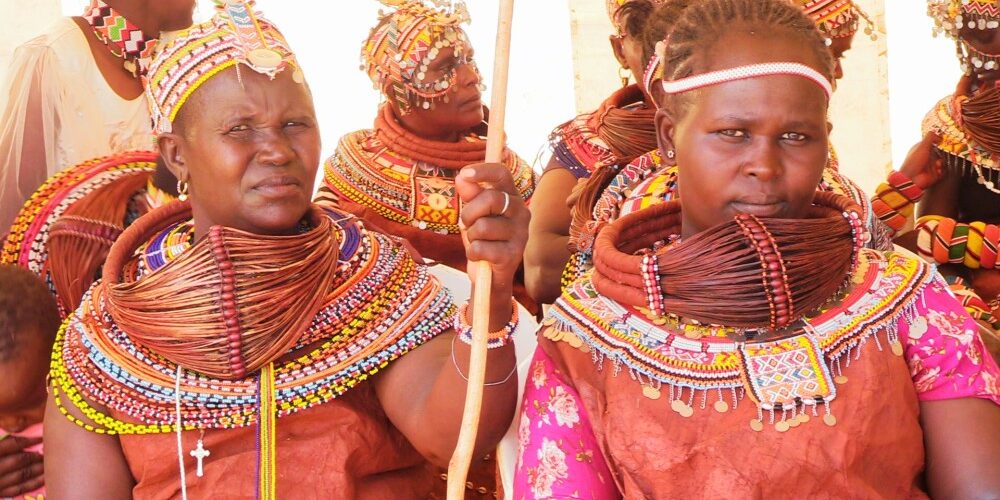
Mother-to-Mother Support Circles:
-
15 women’s groups, each with 25 members
-
1/3 of each group comprises women beyond reproductive age serving as mentors
-
-
Community Health Volunteers (CHVs):
-
2 CHVs trained to ensure all conversations and information align with health standards and cultural sensitivities
-
-
Primary Focus:
-
Address culturally ingrained human rights violations related to sexual and reproductive health
-
Counter economic marginalization by equipping women and girls with knowledge, voice, and agency.
-
Objectives
-
Improve Reproductive Health Literacy:
Ensure pastoralist women and girls understand their bodies, rights, and available health services to make informed decisions. -
Create Safe, Culturally Sensitive Spaces:
Establish Mother-to-Mother circles where women of all ages can discuss menstruation, family planning, and maternity without fear or stigma. -
Strengthen Community Health Capacity:
Deploy trained CHVs who can mediate between traditional beliefs and modern health guidance; building trust in local clinics and reducing health misinformation. -
Foster Economic Empowerment:
Through increased health autonomy, enable women to participate more fully in small-scale enterprises, reducing dependency on livestock alone.
Activities
-
Mother-to-Mother Support Circles:
-
Formation & Structure: Fifteen groups of 25 women each, meeting bi-weekly in communal spaces (e.g., school halls or under acacia trees).
-
Mentorship Model: One-third of each group consists of elder women (50+ years) who share traditional knowledge alongside trained facilitators.
-
Curriculum Topics: Menstrual hygiene, antenatal care, safe delivery practices, postpartum nutrition, family planning methods, and rights under Kenyan health law.
-
-
Training Community Health Volunteers (CHVs):
-
Recruitment: Two respected female community members selected for their communication skills and cultural credibility.
-
Capacity-Building Workshop: A five-day intensive covering:
-
Basic anatomy and reproductive biology
-
Counseling techniques and confidentiality
-
Referral pathways for obstetric emergencies
-
Integrating traditional herbal remedies with evidence-based care
-
-
Ongoing Support: Monthly check-ins with PPI’s health coordinator to update on emerging needs and address challenges.
-
-
Health Education & Outreach:
-
Health Talks: CHVs lead interactive sessions in villages, markets, and water points; using visual aids, flipcharts, and local metaphors to demystify taboo topics.
-
Peer Home Visits: CHVs organize group visits to homes of new mothers and girls aged 10–15, offering age-appropriate guidance on puberty and hygiene.
-
Community Theatre: Partnering with local youth drama troupes to perform short skits illustrating healthy pregnancy practices, respectful birthing support, and the importance of immunizations.
-
-
Linkages to Health Services:
-
Referral System: CHVs coordinate with the nearest health facility to fast-track antenatal checkups, family planning consultations, and emergency obstetric care.
-
Mobile Clinic Days: PPI arranges quarterly mobile clinic visits—delivering immunizations, prenatal checkups, and family planning supplies directly to remote settlements.
-
-
Economic Empowerment Workshops:
-
Entrepreneurship Training: Women who complete six months of health circles are invited to a two-day workshop on small-business fundamentals—covering savings groups, budgeting, and market linkages.
-
Seed Grants: Top-performing women’s groups receive seed grants (KES 10,000 per group) to launch micro-enterprises (e.g., basket weaving, soap-making, or vegetable gardening) that reinvest in health-oriented community activities.
-
Expected Outcomes
-
500+ women and girls gain accurate reproductive health knowledge, reducing preventable complications and early pregnancies.
-
15 functional Mother-to-Mother circles, each with a mentorship model that ensures intergenerational knowledge sharing.
-
2 CHVs fully integrated into local health referral systems, increasing clinic visits by 30% among pregnant women.
-
Improved economic agency for at least 60 women, who launch income-generating activities tied to healthier households.
Stakeholder Testimonial
“I used to believe menstruation was shameful. Now, I teach my daughters to use reusable pads and seek help when in pain. The elders guide us, and the health volunteers make sure we’re safe.”
— Aisha Ateyo, Member, Mother-to-Mother Circle (Loglogo Ward)


